

Kartell is one of the first names that come to mind when we think of Made in Italy. With more than 70 years of history, the company has always stood for Italian innovation and daring, thanks to its bold use of colour and its ability to combine plastic with other materials. But what made its entry into the Chinese market so effective? Let’s find out.
CONTENTS
- The history of Kartell and its impact on world design
- Kartell’s international expansion
- Kartell’s strategies for entering the Chinese market:
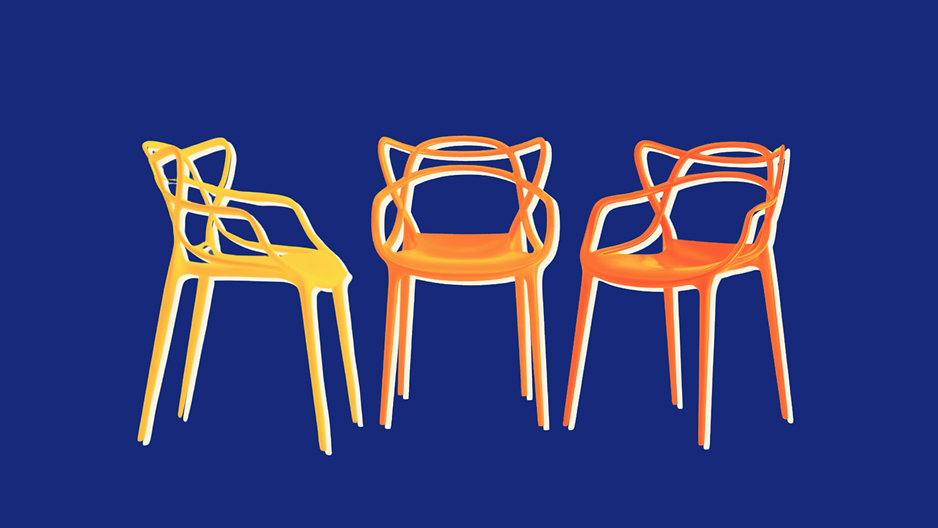
The history of Kartell: design revolutionaries and masters of innovation
Back in 1949, in the beating heart of Milan, Anna Castelli Ferrieri and Giulio Castelli founded a company that would revolutionise the world of design. From the outset, the brand surprised the world with its extraordinary creativity and its ability to use plastic in innovative ways. Its constant search for cutting-edge technologies and pioneering production processes led to iconic products that have made design history and won the hearts of consumers all over the world.
And that is not all. The brand has worked with some of the greatest names in twentieth- and twenty-first-century design. From Achille Castiglioni to Philippe Starck, from Vico Magistretti to Patricia Urquiola, every creative mind that has worked with the company has helped to create unique pieces that still define the very idea of design.
These collaborations produced pieces that will forever be part of design history.
Kartell’s international expansion: a Made in Italy success story
A true pioneer of Italian design on the world stage, Kartell has been looking beyond national borders since the 1950s, when the world of design was still in its infancy. With its innovative, unconventional style, Kartell quickly established itself as one of the most prestigious and admired brands in the world, helping to spread the reputation of Made in Italy to every corner of the globe.
Kartell’s expansion strategy was targeted and gradual: by opening showrooms and stores in major world cities such as Paris, New York, London and Tokyo, the brand won over an ever-wider international audience.
Today Kartell is present in more than 100 countries with a network of over 300 single-brand stores and shop-in-shops, and is a model of success for Italian companies with ambitions to expand into international markets.
Its impact on world design has been considerable, helping to spread Italian taste and to introduce some of the greatest contemporary designers to the wider public.
Kartell’s strategies for entering the Chinese market
The magic of a name: from Kartell to 卡特尔:
For foreign companies keen to win the hearts of Chinese consumers, transliterating their name into Chinese characters is a crucial first step. This linguistic adaptation is more than a simple matter of phonetics; it is a subtle art that calls for sensitivity and commercial intelligence.
Kartell met this challenge by opting for a phonetic transliteration of its name into Chinese characters, choosing 卡特尔 (Kǎtèěr). This choice not only preserves the original pronunciation of the brand, but also conveys its distinctive essence and elegance. It proudly celebrates the brand’s Italian identity too, creating a perfect blend of style and identity that has attracted the attention and respect of Chinese consumers.
In the world of furnishings, however, this was not the boldest or most evocative choice. That title goes to FAB, which transliterated its name as 飞霸 (Fēi bà): a combination of characters that echoes the Italian name and conveys ambition and determination. The first character, 飞 (fēi), means “to fly”, symbolising the aspiration to growth and success; the second, 霸 (bà), means “to dominate” and expresses a firm resolve to win market share. Although the name makes no direct reference to furnishings, FAB has harnessed the evocative power of the characters to communicate its ambitious goals.
Gold Bond Enterprises: Kartell’s key partner for success in China
When it comes to winning over the Chinese market, the right partnership can make all the difference. For Kartell, that strategic partner was Gold Bond Enterprises: founded in 1992, it is a pillar of the luxury sector in China, with a distribution network spanning more than 50 cities.
This was not merely a union of two companies but a genuinely winning alliance. It gave Kartell access to a vast distribution network covering China’s major cities, and also the benefit of its partner’s experience and knowledge of the local market, so that it could better understand the needs and tastes of Chinese consumers.
Kartell’s success in China: the omnichannel distribution network
To reach the heart of the Chinese market, Kartell adopted a multichannel distribution strategy, expanding its presence through a network of stores spread across the country. It also integrated its various distribution channels to offer a consistent omnichannel shopping experience. Customers can browse the catalogue online, visit the flagship stores and complete their purchases either online or in person.
The flagship stores, located in major Chinese cities such as Beijing, Shanghai, Guangzhou and Shenzhen, offer an engaging shopping experience that lets customers immerse themselves in a world of design without limits.
Alongside the flagship stores, the company has developed a network of multi-brand retailers, carefully selecting reliable partners to ensure the brand is widely available and easy for consumers to reach.
To meet the needs of digital customers, it created an e-commerce platform dedicated to the Chinese market, guaranteeing a smooth and secure online shopping experience.
Store design: an immersive experience
Kartell’s stores in China offer a unique experience of the world of design, taking customers on a journey through aesthetics and innovation. Every detail, from the architecture to the lighting, reflects the company’s distinctive philosophy and values.
The use of fine materials such as marble, wood and glass creates an atmosphere of elegance and refinement. Impeccable finishes demonstrate a constant commitment to quality and craftsmanship, for a superior shopping experience.
The spaces are enriched with the brand’s iconic pieces, such as the Louis Ghost chair and the Bourgie lamp, which do more than decorate the rooms: they tell the company’s story and vision and capture the essence of the brand.
Lighting plays a fundamental role in creating an evocative atmosphere and showing the products to best effect.
Every visit to one of its stores is an engaging sensory experience, from sight to touch, that leaves a lasting impression and gives customers much more than a simple purchase.